Clean Workspaces Help Lower the Spread of Germs and Support a Healthier Staff
Office cleaning plays a big part in reducing workplace germs because it removes dirt, lowers contact with harmful bacteria and viruses, and keeps high-touch areas safer for daily use. In busy shared spaces, germs can move fast from desks to break rooms to restrooms. A steady cleaning routine helps cut that chain and can lead to fewer sick days, better comfort, and a cleaner place to work.
Why Prevention Matters
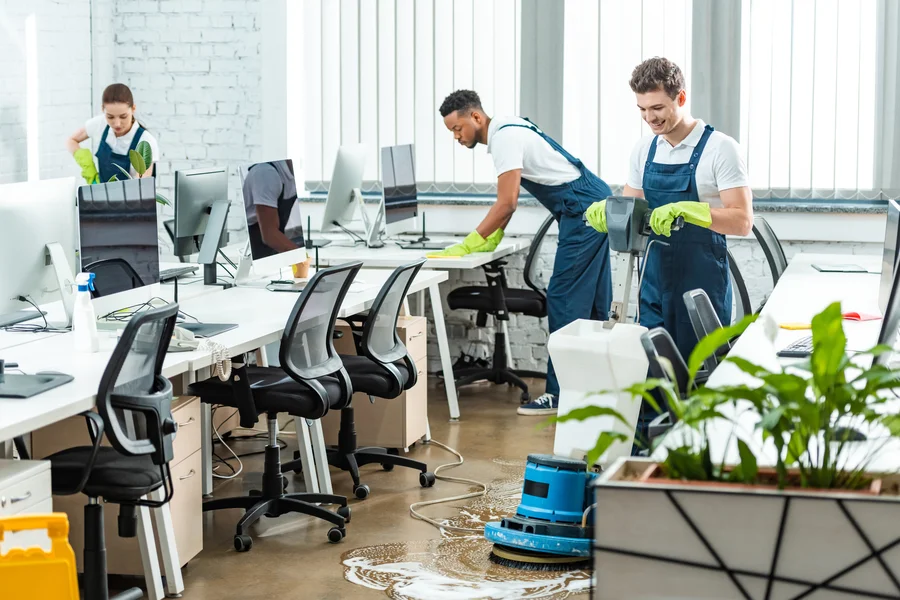
Germs do not stay in one spot. They move by hands, phones, keyboards, door handles, elevator buttons, faucet handles, and shared tables. In many offices, people touch the same surfaces all day long without thinking about it. If those surfaces are not cleaned often, germs build up fast.
Good office cleaning helps stop that buildup before it spreads. It also supports better indoor habits. When trash is removed, restrooms are cleaned, and common areas stay neat, staff members are more likely to keep their own spaces tidy too. Prevention works best when cleaning is done on a routine schedule instead of only after people get sick.
Early Warning Signs
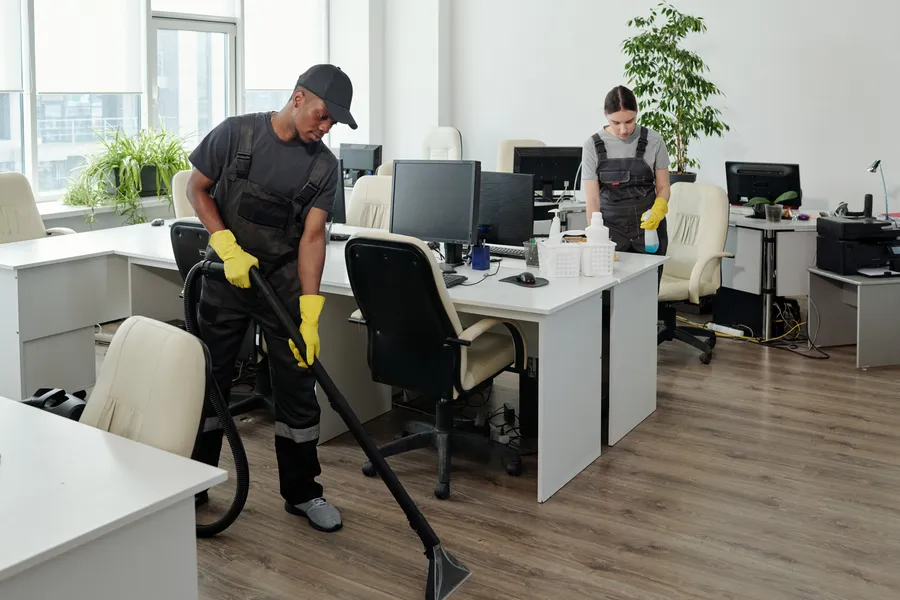
Some signs of a germ problem are easy to miss at first. A space may look fine but still have many high-touch spots holding germs. Watch for patterns that show the office may need better cleaning support.
- More staff calling out sick than usual
- Sticky desks, handles, or shared equipment
- Trash cans filling up too fast
- Bad smells in break rooms or restrooms
- Dust around vents, shelves, and screens
- Smudges on glass, counters, and shared tables
These signs do not always mean the office is unsafe, but they do show that germs and dirt may not be getting removed often enough. Even a simple service category review can help a business spot weak areas in its current cleaning plan.
Seasonal or Routine Checklist
A simple checklist makes prevention easier. Daily tasks handle fresh messes and common contact points. Weekly and monthly work helps keep the full space in better shape over time.
- Wipe desks, phones, keyboards, and shared tools.
- Clean door handles, light switches, and front desk counters.
- Disinfect restrooms, sinks, toilets, and faucet handles.
- Empty trash and replace liners.
- Clean break room tables, chairs, appliance handles, and sinks.
- Vacuum carpets and mop hard floors.
- Refill soap, paper towels, and sanitizer stations.
- Dust vents, ledges, and hard-to-reach surfaces on a set schedule.
- Clean glass doors and entry areas where many hands touch each day.
Cold and flu season may call for more frequent disinfection, especially in shared spaces. After holidays, team events, or days with heavy visitor traffic, extra attention to entrances, conference rooms, and restrooms can help lower germ spread.
Best Practices for Long-Term Results
The best results come from doing the right tasks in the right places. Not every area needs the same level of care. A private office used by one person may need less attention than a shared printer station or lunch area.
Focus first on high-touch points. These are the fastest paths for germs. Use products made for workplace surfaces and follow label directions. Give disinfectants enough contact time to work well. If a product is wiped off too soon, it may not do much.
It also helps to separate cleaning tools by area. Restroom tools should not be used in kitchen spaces. Color-coded cloths and mops can help avoid cross-contact. Staff can also support long-term results by washing hands, covering coughs, and keeping personal desks from getting too cluttered.
When office cleaning is treated like regular upkeep instead of an extra chore, the whole workplace benefits. A clear routine can support staff health and help the office feel more orderly every day.
What Not to Do
Some cleaning habits can make germ problems worse. A surface may look clean while still holding bacteria or viruses if the wrong method is used.
- Do not use one cloth for every room
- Do not skip shared devices and handles
- Do not forget break rooms and fridge handles
- Do not rely on strong smells as proof of cleanliness
- Do not leave damp mops or dirty sponges in use too long
- Do not wait for visible mess before cleaning high-touch spots
Another common mistake is cleaning only what people can see. Floors and counters matter, but germs often spread more from small shared surfaces. Phones, copier buttons, chair arms, and remote controls need regular attention too.
When to Schedule Professional Help
Some offices can manage light daily tidying with in-house staff, but many workplaces need a stronger plan. Professional help makes sense when the office is large, has many shared areas, or has frequent visitors. It also helps after illness outbreaks, busy seasons, or tenant turnover.
A trained cleaning team can build a routine around the office layout, traffic patterns, and problem spots. They can also handle floor care, restroom sanitation, and deeper cleaning tasks that often get missed during a busy workweek. This kind of support can be very useful in medical offices, schools, coworking spaces, and larger business buildings where many people share the same rooms each day.
If staff members are often sick, surfaces feel dirty soon after being cleaned, or managers are hearing repeated complaints about restrooms or common spaces, it may be time to bring in outside help on a regular schedule.
Get Help With a Cleaner Workplace
For businesses in Federal Way, WA, a steady cleaning plan can help cut down on germs and keep daily operations running more smoothly. At Ann's Cleaning Service, we help workplaces build routines that fit their space and traffic level. Call us at (425) 652-2336 to talk about practical office cleaning support for your building.