Clean Shared Spaces Often to Cut Dirt, Germs, and Wear
High-traffic office areas get dirty fast. Entryways, hallways, break rooms, restrooms, and meeting spaces collect dust, mud, spills, and germs every day. Regular office cleaning helps keep these spaces safer, cleaner, and easier to use. It also helps floors, furniture, and touchpoints last longer. In busy workplaces in Federal Way, WA, this kind of routine care can lower mess, reduce odors, and help staff and visitors feel more comfortable.
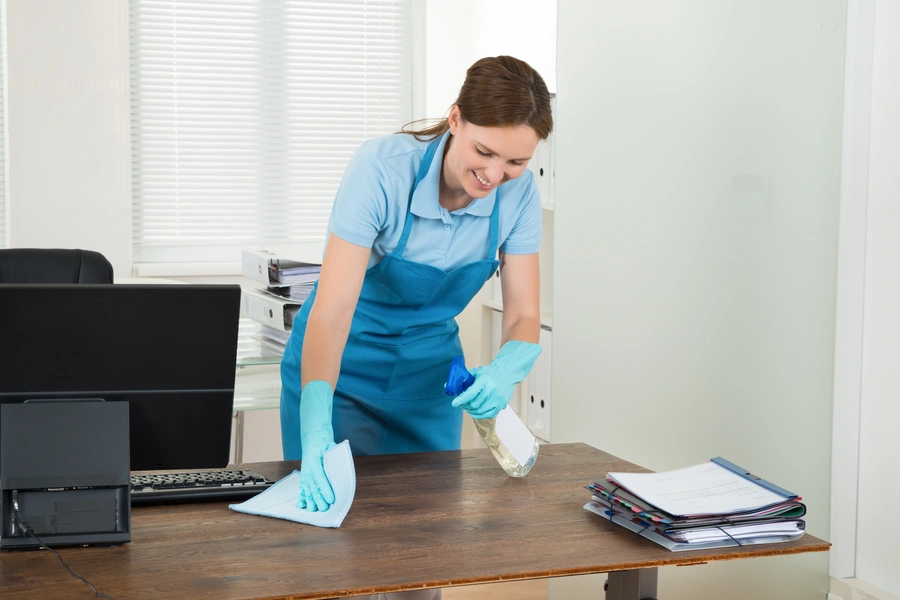
Why Prevention Matters
Busy areas take the most abuse. Shoes bring in dirt and water. Hands touch doors, counters, and shared tools all day. Food crumbs build up in break rooms. Restrooms need frequent care because many people use them. Without a plan, grime builds in layers. That can lead to stains, bad smells, slippery floors, and a space that feels run down.
Office cleaning is not just about looks. It helps lower the spread of germs on shared surfaces. It can also support better indoor air by removing dust from vents, floors, and fabric chairs. For teams that use common areas all day, small cleaning steps done often can make a big difference.
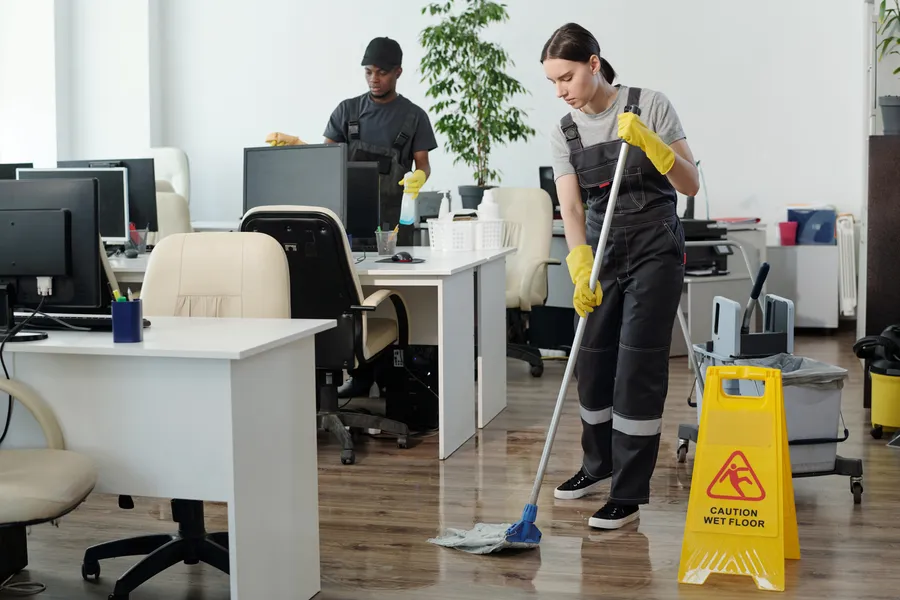
Early Warning Signs
You can often spot trouble before it gets worse. High-traffic areas usually show signs first. If you catch them early, cleanup is easier and less costly.
- Floors look dull, sticky, or dusty soon after mopping
- Door handles and light switches show smudges
- Trash bins fill up too fast
- Restrooms have odors even after basic wiping
- Carpet paths turn dark near doors and halls
- Break room counters feel greasy
- People start tracking dirt into other rooms
These signs tell you the current routine may not match the amount of daily foot traffic. In many offices, the issue is not a lack of effort. It is a lack of frequency, the wrong products, or missed touchpoints.
Seasonal or Routine Checklist
A simple checklist helps keep busy spaces under control. Some tasks should happen every day. Others can be done weekly or by season. The right schedule depends on traffic, weather, and building use. Even if the service category keyword is blank here, a clear cleaning plan still matters for every workplace.
- Check entry mats each day and replace or vacuum them
- Sweep and mop hard floors in main paths
- Disinfect door pulls, railings, and shared touchpoints
- Wipe break room tables, counters, and appliance handles
- Restock soap, paper goods, and sanitizer in restrooms
- Empty trash before bins overflow
- Vacuum carpet lanes in busy zones
- Spot clean spills right away
- Clean glass doors and interior partitions weekly
- Schedule deeper floor and restroom care on a set cycle
During rainy or snowy weather, entry areas may need extra attention. Water and grit can damage floors fast. In warmer months, dust and pollen may build up faster near doors and windows. A routine that changes with the season helps stop buildup before it spreads.
Best Practices for Long-Term Results
Long-term results come from smart habits, not just last-minute cleanup. Start with the areas people touch and walk through the most. That usually means lobbies, front desks, elevator buttons, shared desks, kitchens, and restrooms.
Use mats at every main entrance. They catch dirt before it reaches carpet or tile. Keep the right supplies close to where they are needed. If staff must walk across the office to get paper towels or spray, small messes may sit too long. Label tasks by time of day so nothing is missed during busy hours.
It also helps to choose products made for each surface. The wrong cleaner can leave floors slippery or damage finish on desks and counters. Good office cleaning should remove soil without leaving heavy residue. When surfaces stay cleaner longer, the whole office is easier to maintain.
Many businesses also benefit from tracking problem spots. If one hallway always looks dirty by noon, that area may need an extra mid-day pass. If one restroom runs out of supplies early, the stocking plan may need to change. Small updates like these help keep standards steady over time.
What Not to Do
Some cleaning habits can make a busy office harder to manage. One common mistake is cleaning only what people can see at first glance. Dust, germs, and grime often build on the spots people touch most. Another mistake is waiting until a space looks very dirty before doing more than a quick wipe.
Avoid using one cloth or mop in too many places without changing it. That can spread soil from restrooms to desks or from entry floors to break rooms. Do not soak floors too heavily, especially near entrances, because wet surfaces can become slippery. Also, do not ignore carpets just because they are darker in color. Busy carpet lanes trap dirt deep in the fibers and need regular vacuuming and periodic deep cleaning.
When to Schedule Professional Help
Some jobs need more than a simple daily routine. If stains keep coming back, odors stay in restrooms or break rooms, or traffic lanes look worn no matter how often they are cleaned, it may be time for expert help. Professional office cleaning can help with deep floor care, carpet extraction, detailed restroom sanitation, and touchpoint disinfection programs.
This kind of help is useful after illness spreads through a team, after events with heavy visitor traffic, or during messy weather seasons. It can also help when in-house routines are consistent but the building still does not feel clean. A trained crew can spot hidden buildup, use the right tools, and build a schedule that fits real foot traffic.
Final Recommendation
For busy workplaces in Federal Way, WA, we can help build a cleaning plan that fits the way your space is used each day. We focus on practical office cleaning that targets entryways, shared rooms, restrooms, and other high-traffic spots before small issues grow. Contact Ann's Cleaning Service to talk about your needs and ask questions. Call us at (425) 652-2336 when you’re ready to get started.